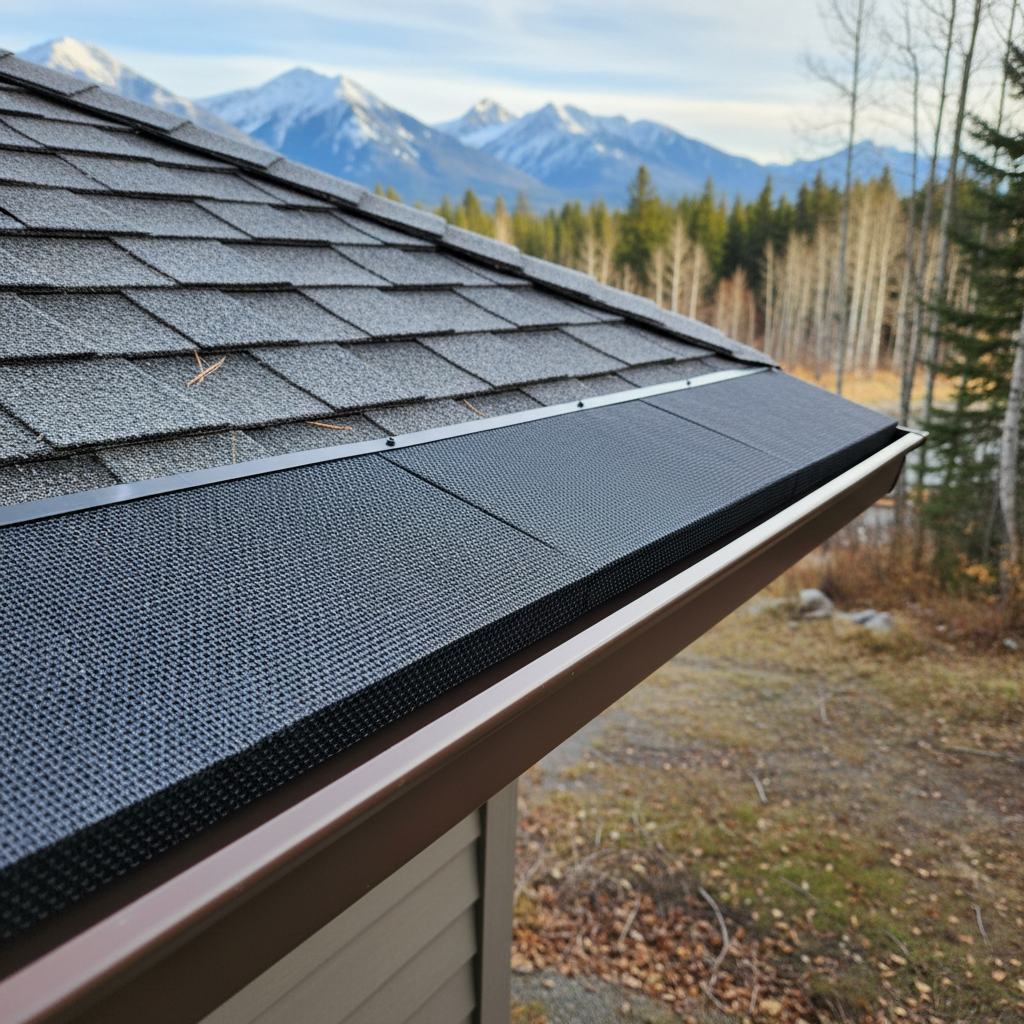
So, you're thinking about putting gutter guards on your Whitefish home yourself, huh? Good on you for wanting to tackle a project and protect your gutters from all the pine needles and leaves we get up here. It's a smart move, especially with how much debris can come down from the trees around Whitefish Lake or even just from a good windstorm. But before you buy a bunch of guards and climb up there, let's talk about what you're really getting into.
Before You Start: The Prep Work
This is probably the most important part, and honestly, it's where most folks either succeed or get themselves into trouble. You can't just slap guards on dirty gutters; that's like putting a band-aid on a broken leg. You've got to clean those gutters out first. And I mean *really* clean them.
- Clear out all the gunk: Leaves, twigs, shingle grit, pine needles – get it all out. Use a scoop, your hands, whatever it takes. Make sure your downspouts are clear too. Run some water through them to confirm they're flowing freely. If they're clogged, you'll need to snake them out or flush them properly.
- Inspect your gutters: While you're up there, take a good look at the gutters themselves. Are they sagging? Any leaks? Are they pulling away from the fascia board? If your gutters aren't in good shape, putting guards on them is a waste of time and money. You might need to re-pitch them, seal some seams, or even replace a section. Don't skip this step.
- Measure accurately: You'll need to know the linear footage of all your gutters. Don't just eyeball it. Grab a tape measure and write it down. Also, check the width of your gutters. Most residential gutters are 5-inch or 6-inch K-style, but you need to be sure so you buy the right size guards.
- Choose the right guard type: There are a ton of options out there: mesh, micro-mesh, screens, reverse curve, foam inserts. Each has its pros and cons. For Whitefish, with our heavy pine needle load and sometimes intense snow, I generally steer people away from foam inserts – they just don't hold up well and can actually cause clogs. Micro-mesh is usually a good bet for keeping out small debris, but make sure it's a quality product that won't sag or corrode.
During Installation: What to Expect
Alright, you've got your clean gutters, your measurements, and your chosen guards. Now for the actual installation. This is where your comfort level with heights and tools really comes into play.
- Safety first, always: I can't stress this enough. Use a sturdy ladder, preferably one with a stabilizer bar. Have someone spot you. Don't overreach. If you're not comfortable on a ladder, or if your house is particularly tall or has steep rooflines, this is where you seriously consider calling a professional. A fall isn't worth saving a few bucks.
- Follow manufacturer instructions: Every type of gutter guard has specific installation steps. Some slide under the shingles, some clip onto the gutter lip, some screw in. Read the instructions carefully before you start. Don't assume you know how it goes.
- Work in manageable sections: Don't try to do your whole house in one go. Pick a section, get it done right, and then move on. It's better to take your time than rush and make mistakes. You'll likely need tin snips or a utility knife to cut guards to length or around downspout openings.
- Mind the pitch: Some guards are designed to be installed with a slight pitch to help debris shed off. If yours are, make sure you maintain that pitch. If they're flat, water can pool and debris can sit, defeating the purpose.
After Installation: Maintenance & When to Call a Pro
So, you've got your guards up. Great job! But your work isn't entirely done. Gutter guards aren't a 'set it and forget it' solution, especially not here in the Flathead Valley.
- Periodic checks: You'll still need to check your gutters a couple of times a year, especially after heavy leaf fall or big snow melts. Even the best guards can get a buildup of fine grit or seeds on top that needs to be brushed off. If you see water overflowing during a rainstorm, that's a sign something's not right.
- Snow and ice: This is a big one for us. Some gutter guards can actually contribute to ice dams if not installed correctly or if they're not designed for heavy snow loads. Keep an eye on how snow and ice are behaving on your roof and gutters after you've installed guards. If you notice new or worse ice damming, that's a serious issue you'll need to address.
- When to call Charis Gutter Solutions: Look, I'm all for homeowners doing what they can themselves. But there are definitely times when calling a pro like us makes sense. If your house is two stories or more, if your roof is steep, if you're not comfortable on a ladder, or if you run into problems like rotted fascia or complex gutter repairs, don't hesitate. We've got the right equipment, the experience, and the insurance to get the job done safely and correctly. Sometimes, knowing it's handled by experts is worth more than the DIY savings.
Installing gutter guards can save you a lot of cleaning time, but it's not a project to take lightly. Do your homework, prioritize safety, and know your limits. Your gutters, and your back, will thank you for it.